Structure of the Clan
The hierarchy of the clan was military in style. At the top was the chief who was in position by consent of the clan and could be replaced at any time, if needed - see the Tanistry page for the details. Next was the officer class, called tacksmen. The chief leased an area of land (a tack) to a tacksman on a long term basis. Military services were usually expected in return for the land. The third tier were the small holders or “soldiers” who worked land sublet to them by their tacksman. This structure looks similar to feudalism but the significant difference is that the land belonged, ultimately, to the clan. The area of land that made up a tack was divided into arable land within the boundary walls of the tack, and grazing land outside the boundary walls. Grazing land was common grazing - it was held collectively by all the smallholder tenants of the tack. One third of the arable land was reallocated annually so that the arable land changed hands, or rotated, every three years. It was part of the way in which they ensured crop rotation, helping to maintain the soil. Because the whole structure was based around the family, the concept of family loyalty and group ownership of the land that they lived on, clansmen could always be relied upon to give military service to the chief when needed.
Clan = Family
The family was the basic social unit of the Gaels. Membership of the family may be by birth, adoption (formal or otherwise), marriage or by any other arrangement agreed by both sides. A clan was a group of inter-related families, some by blood others by common interest. Thus the clan was, effectively, a very extended family. Names like “mac Donald” were not surnames. The example literally means “son of Donald”. Donald’s daughters would have been known as “nic Donald”. When surnames became the norm, “mac Donald” often became Macdonald or McDonald, regardless of the gender of the person or the name of the person’s father. Many clansmen, although not directly related to the chief took the chief's surname as their name, to show solidarity, obtain basic protection and much needed sustenance. Any group living within an area dominated by a clan could pledge allegiance to the chief of that clan and be accepted as clan members. The land occupied by the clan, belonged to the clan as a whole, not by any one person in the clan and certainly not to anyone outside the clan. The chief administered land distribution within the clan - but, importantly, he didn’t own it.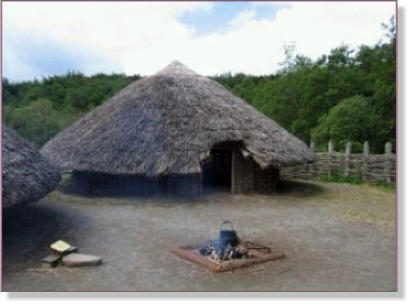
Travel
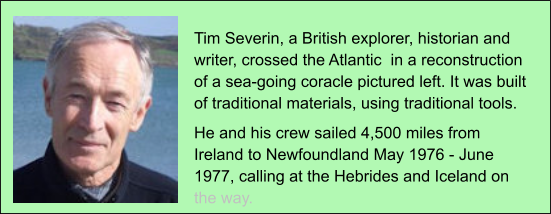
The sea was probably the single most influential element in the history of the Norse and Gaels. For the men from the west coasts of Scotland and Norway, the sea was not a barrier; it was their motorway. Travelling over land in both places was difficult, so an alternative was needed - and the sea provided it. The traditional ship for the Gaels was a coracle or curraugh - a lightweight craft made of hides stretched over a timber frame. There were larger ships built on the coracle principle, but they could not compete with the Viking longship for speed, strength and carrying capacity.Viking Longship
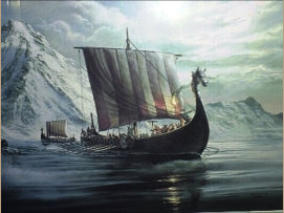
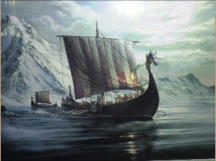
Also known as “dragon ships”, they were fast, ocean going ships powered by sail and oar. They came in various sizes and styles dependent on whether they were for fighting, trading or fishing. Not having a keel, they could be easily beached enabling their occupants to leap out, raid and quickly re-float to escape any reprisal. Their shallow draft made them useful for travelling up rivers as well as across oceans. They could also be transported over land between rivers relatively easily, which enabled them to explore inland as well as across seas.The Highland Galley
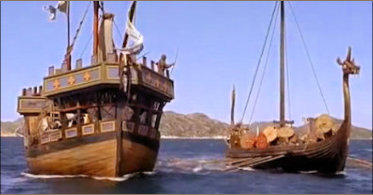
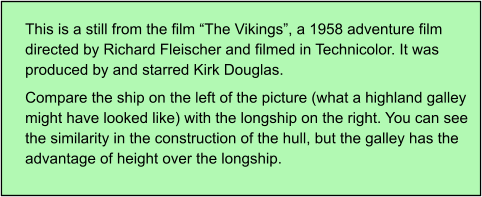
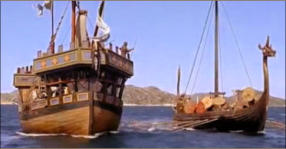
The Gaels of western Scotland and Ireland adopted the longship to replace their traditional sea going curraughs, or coracles. The longships were bigger, stronger and faster - superior in every way to the coracle. But, for the seas west of Scotland, ships were needed that were more manoeuvrable. And when the Norse came raiding, Somerled wanted to be able to attack them while they were still at sea. This led to a stern mounted rudder for more responsive steering, and the addition of fore and aft platforms and a “crows nest” on the mast. These changes enabled the Gaels’ ships to avoid submerged rocks and other hazards more easily, and their archers to shoot down into even the largest longship. The extra height also enabled them to see further from the vantage point near the top of the mast. These ships became known as the highland galley, or birlinn.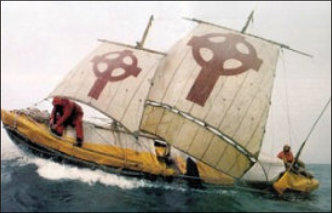


Structure of the Clan
The hierarchy of the clan was military in style. At the top was the chief who was in position by consent of the clan and could be replaced at any time, if needed - see the Tanistry page for the details. Next was the officer class, called tacksmen. The chief leased an area of land (a tack) to a tacksman on a long term basis. Military services were usually expected in return for the land. The third tier were the small holders or “soldiers” who worked land sublet to them by their tacksman. This structure looks similar to feudalism but the significant difference is that the land belonged, ultimately, to the clan. The area of land that made up a tack was divided into arable land within the boundary walls of the tack, and grazing land outside the boundary walls. Grazing land was common grazing - it was held collectively by all the smallholder tenants of the tack. One third of the arable land was reallocated annually so that the arable land changed hands, or rotated, every three years. It was part of the way in which they ensured crop rotation, helping to maintain the soil. Because the whole structure was based around the family, the concept of family loyalty and group ownership of the land that they lived on, clansmen could always be relied upon to give military service to the chief when needed.Clan = Family
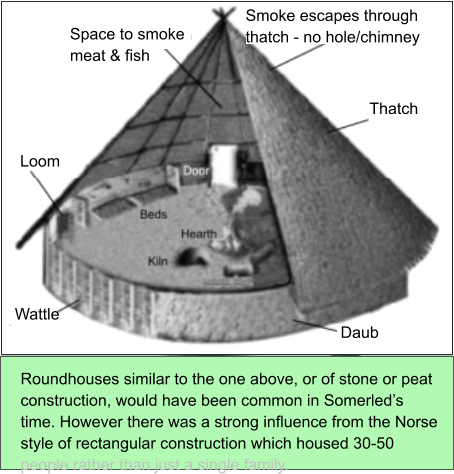
The family was the basic social unit of the Gaels. Membership of the family may be by birth, adoption (formal or otherwise), marriage or by any other arrangement agreed by both sides. A clan was a group of inter- related families, some by blood others by common interest. Thus the clan was, effectively, a very extended family. Names like “mac Donald” were not surnames. The example literally means “son of Donald”. Donald’s daughters would have been known as “nic Donald”. When surnames became the norm, “mac Donald” often became Macdonald or McDonald, regardless of the gender of the person or the name of the person’s father. Many clansmen, although not directly related to the chief took the chief's surname as their name, to show solidarity, obtain basic protection and much needed sustenance. Any group living within an area dominated by a clan could pledge allegiance to the chief of that clan and be accepted as clan members. The land occupied by the clan, belonged to the clan as a whole, not by any one person in the clan and certainly not to anyone outside the clan. The chief administered land distribution within the clan - but, importantly, he didn’t own it.
Travel
The sea was probably the single most influential element in the history of the Norse and Gaels. For the men from the west coasts of Scotland and Norway, the sea was not a barrier; it was their motorway. Travelling over land in both places was difficult, so an alternative was needed - and the sea provided it. The traditional ship for the Gaels was a coracle or curraugh - a lightweight craft made of hides stretched over a timber frame. There were larger ships built on the coracle principle, but they could not compete with the Viking longship for speed, strength and carrying capacity.Viking Longship
Also known as “dragon ships”, they were fast, ocean going ships powered by sail and oar. They came in various sizes and styles dependent on whether they were for fighting, trading or fishing. Not having a keel, they could be easily beached enabling their occupants to leap out, raid and quickly re-float to escape any reprisal. Their shallow draft made them useful for travelling up rivers as well as across oceans. They could also be transported over land between rivers relatively easily, which enabled them to explore inland as well as across seas.The Highland Galley
The Gaels of western Scotland and Ireland adopted the longship to replace their traditional sea going curraughs, or coracles. The longships were bigger, stronger and faster - superior in every way to the coracle. But, for the seas west of Scotland, ships were needed that were more manoeuvrable. And when the Norse came raiding, Somerled wanted to be able to attack them while they were still at sea. This led to a stern mounted rudder for more responsive steering, and the addition of fore and aft platforms and a “crows nest” on the mast. These changes enabled the Gaels’ ships to avoid submerged rocks and other hazards more easily, and their archers to shoot down into even the largest longship. The extra height also enabled them to see further from the vantage point near the top of the mast. These ships became known as the highland galley, or birlinn.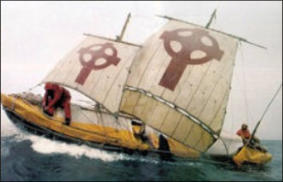


Walter Jardine
About A Wolf in His Belly


The Gaels
Life


